
Revolution in Carcassonne is a compelling account of a little-known medieval revolt in which class and religious issues were tightly bound together, finds Jacqueline Mulhallen. See the full review on Counterfire.
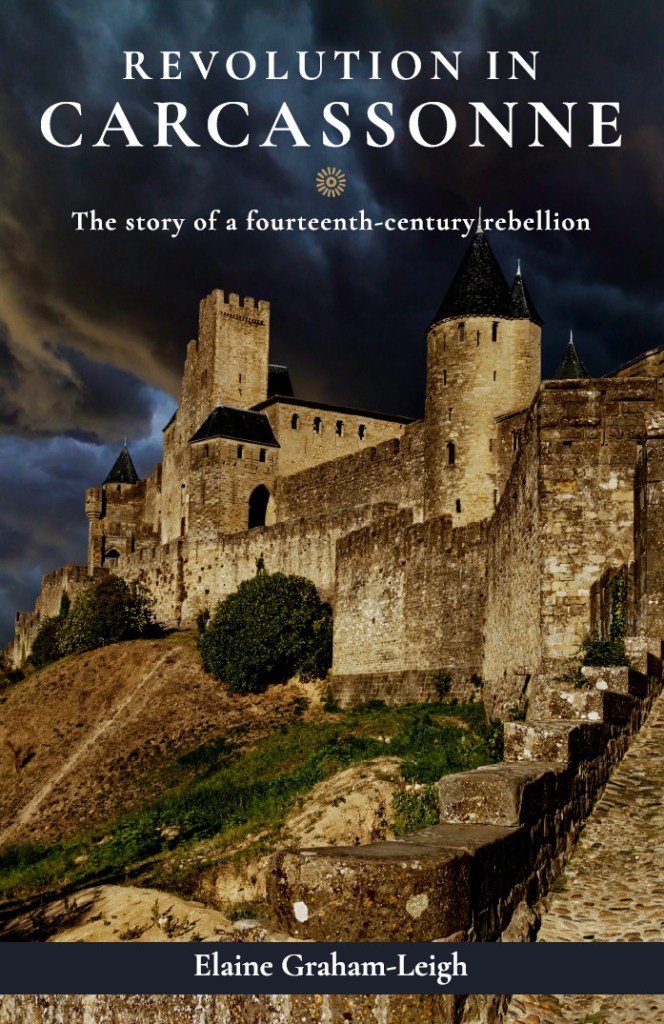
Revolution in Carcassonne is a compelling account of a little-known medieval revolt in which class and religious issues were tightly bound together, finds Jacqueline Mulhallen. See the full review on Counterfire.
In August 1303, the people of the southern French town of Carcassonne rose up in revolt. Their rebellion against King and Inquisition saw the prison stormed, many of the town elite driven out and their houses sacked, and the inquisitors humiliated. For eighteen months, Carcassonne was a town where the French royal writ did not run.
Reconstructed from the contemporary accounts, the revolt emerges as an important incident in medieval class struggle. It was also the apogee of the fight by the people of Languedoc against the northern French invaders of the Albigensian crusade and the persecutions they brought with them.
Combining political analysis with original research, this book reveals the hidden story of a significant medieval rebellion and its importance for our understanding of oppression and resistance today.
Out now from Whalebone Press
Buy here
The extraordinary longevity of the Catholic Church could make it seem like a body that floats above the everyday world of political and economic life. In reality, the Church has always been firmly linked to structures of power and property. See the full piece on Jacobin.
Michel Löwy, Rosa Luxemburg: The Incendiary Spark, ed. Paul Le Blanc (Haymarket Books 2024), xvii, 168pp.
An interesting collection of essays from decades of thought about Rosa Luxemburg. I don’t agree with all the conclusions here, but it was always thought-provoking. See the full review on Counterfire.

M. V. Ramana, Nuclear is Not the Solution: The Folly of Atomic Power in the Age of Climate Change, (Verso 2024), viii, 264pp.
A clear demonstration of why nuclear power is not the answer to the climate crisis, I argue for Counterfire.

Researching for a speech I’m giving soon, I was reminded of this old piece for Stop the War. Reposting because sadly, it’s still true now.
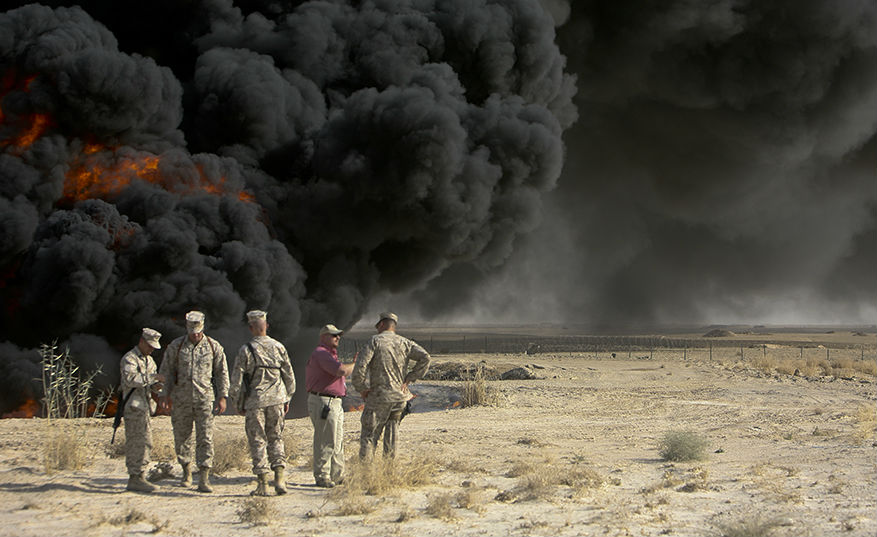
Photo: US Department of Veterans’ Affairs
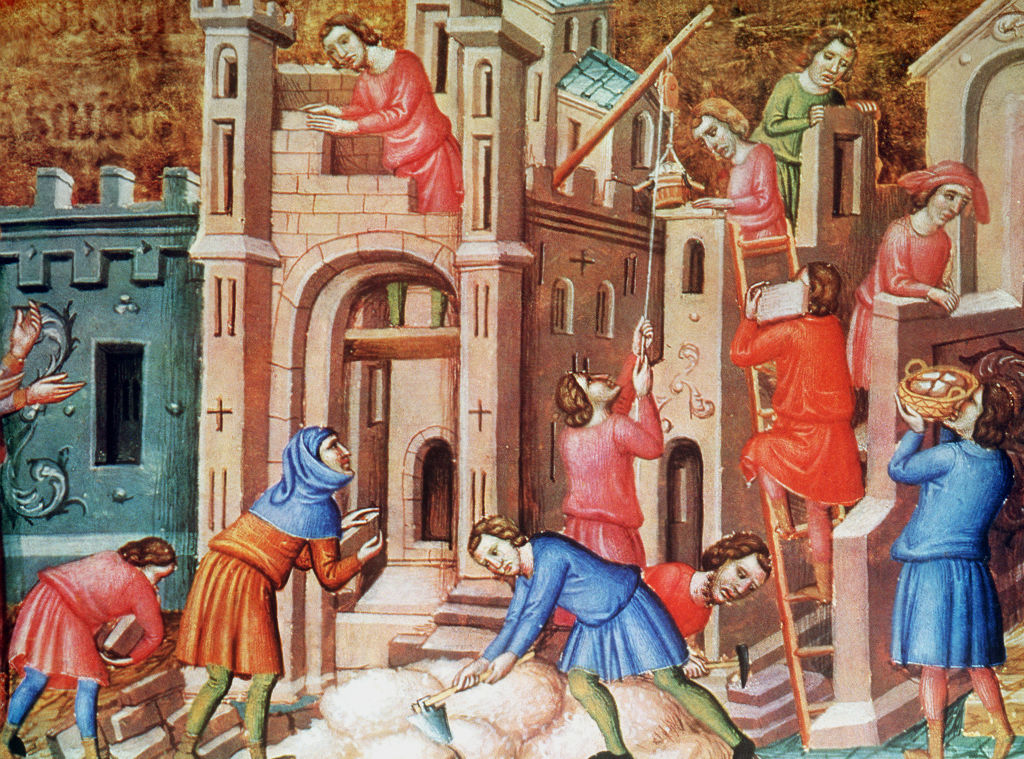
A bit of historical fiction, about young love and medieval antisemitism, published on Bounds Green Book Writers.

Photo by Lisa Forkner on Unsplash
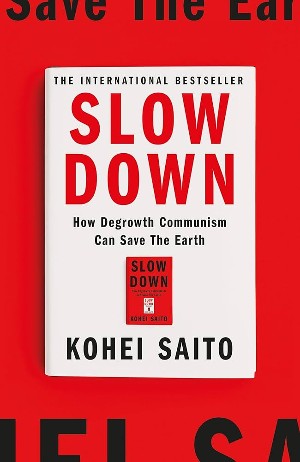
Kohei Saito, Slow Down. How Degrowth Communism Can Save the Earth, trans. Brian Bergstrom, (Weidenfeld & Nicholson, London 2024), xvi, 264pp.
Saito attempts to argue for a ‘degrowth communism’, but misunderstands Marx and sees no revolutionary role for the working class, I argue for Counterfire.
The centrality of anti-imperialism to socialism and class struggle has been disputed since before the First World War, but clarity on this issue remains vital, I argue for Counterfire.

My article on how the Albigensian crusade supplied a template for modern oppression, and a podcast talking about all things Cathar, both for Jacobin.

 Red Puffin